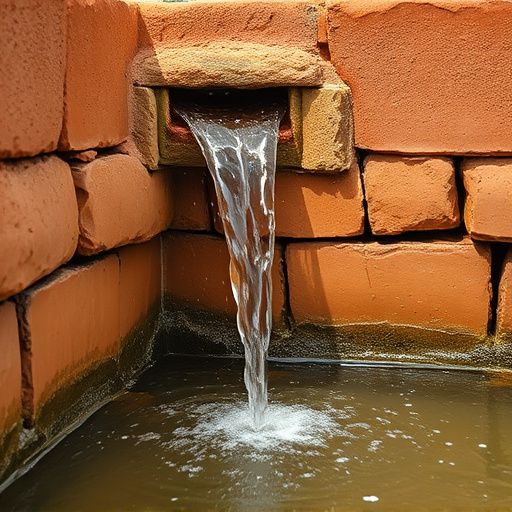
Tucson's older homes often sport tar and gravel roofs, a rugged and reliable design tested by the area's unique climate. However, these built-up and rolled flat roofs can be prone to damage from monsoon rains, water intrusion, sun, dust storms, and even pigeons. Leaks can cause serious structural issues, from drywall damage to sagging roof sections, especially in the region's iconic Adobe Homes.
Proper tar and gravel roof repair is crucial for maintaining the home's value, energy efficiency, and safety. This article provides a practical guide to identifying and repairing common problems, from minor damage to more complex issues, ensuring your Tucson home's roof remains a fortress against the elements. We'll explore strategies for prevention and offer insights into hiring reliable professionals, all tailored to the unique needs of these historic roofs.
- Understanding Tar and Gravel Roofs in Tucson
- Identifying Common Issues and Leaks
- Natural Tar and Gravel Roof Repair Techniques
- Long-Term Maintenance for Optimal Performance
Understanding Tar and Gravel Roofs in Tucson
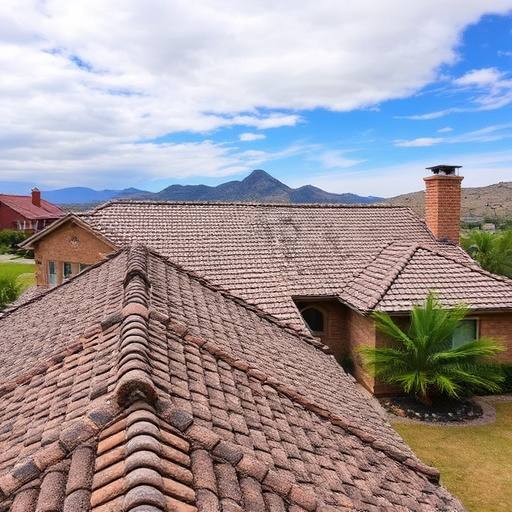
In Tucson, the climate presents unique challenges for homeowners, especially for roof types commonly found in the area. One such roofing system is the tar and gravel roof, a durable yet demanding option prevalent in older homes. This type of roof is designed to withstand the harsh desert conditions, but it requires specific care and expertise for effective tar and gravel roof repair. Understanding the construction and common issues associated with these roofs is crucial for Tucson property owners.
Tar and gravel roofs are composed of multiple layers, including a base of tar or bitumen, a fabric reinforcement, and a top layer of gravel or crushed stone. This built-up structure provides exceptional protection against water penetration and extreme temperatures. However, its effectiveness depends on proper installation and regular maintenance. Over time, these roofs may develop leaks, especially around pipe boots and skylights, due to the constant expansion and contraction of the materials. The gravel can shift, exposing the tar, which requires timely tar and gravel roof repair to prevent further damage.
When addressing issues with tar and gravel roofs, Tucson homeowners should consider the expertise of local professionals. DC Roofing of Arizona specializes in this type of repair, offering solutions tailored to the region's unique conditions. They emphasize the importance of identifying the root cause of the leak, whether it's a damaged pipe boot, a worn-out skylight, or shifting gravel. Regular inspection and maintenance, including re-sealing and re-graveling, can extend the life of these roofs. By understanding the specific challenges of tar and gravel roofs, Tucson residents can ensure their homes remain protected from the elements.
Identifying Common Issues and Leaks
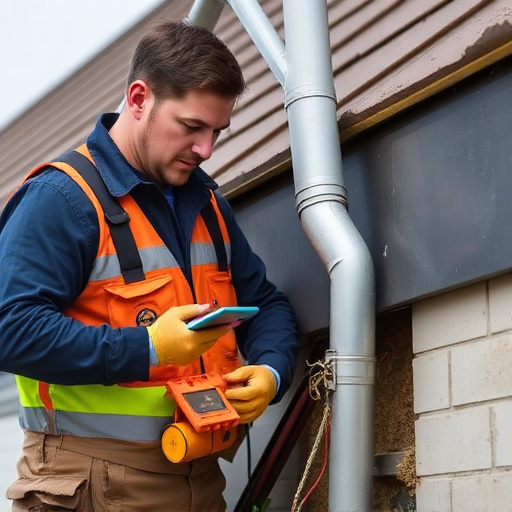
Identifying Common Issues and Leaks on Tar and Gravel Roofs in Tucson
One of the most prevalent roofing types in Tucson, particularly in older Casas Adobes and historic homes, is tar and gravel. This built-up, rolled roofing material offers durability and protection against the harsh desert climate. However, like any roof, it's not immune to issues and leaks. An experienced Tucson roof specialist notes that many problems stem from normal wear and tear, as well as specific challenges posed by the region's unique environment.
One of the most common sources of leaks is around skylights and parapets. The edges of skylights, which often project through the roof, can become worn over time, creating spaces for water to infiltrate. Similarly, parapets, the walls surrounding the roofline, are vulnerable to damage from wind, sun, and debris, especially in areas with frequent dust storms. Termite damage beneath the roof is another significant concern, as these pests can compromise the structural integrity of the entire roof system.
Tar and gravel roofs are sensitive to heat-related cracking, especially in the coating that protects the underlying material. Shingles can become displaced after high winds, exposing bare areas and accelerating wear. Pigeon damage is also a factor on flat roofs, as these birds can leave behind a residue that weakens the tar and gravel's adhesion. After a particularly intense monsoon season or a "haboob," as locals call the severe dust storms, roof repairs may be necessary to prevent damage from both water intrusion and wind-blown debris.
Natural Tar and Gravel Roof Repair Techniques
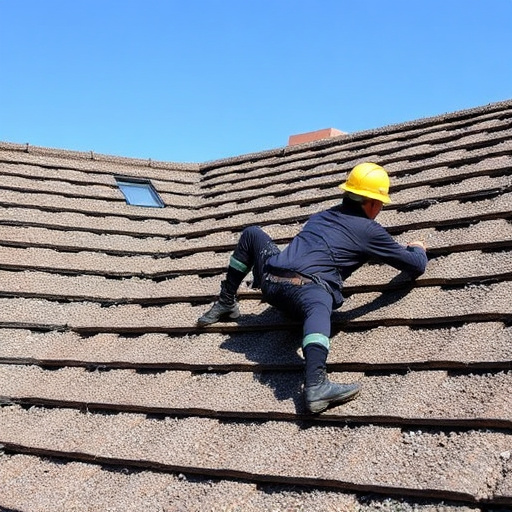
Repairing tar and gravel roofs, a common sight in older Tucson homes, involves a blend of traditional techniques and modern knowledge. When addressing these built-up or rolled flat roofs, a licensed Tucson roofing contractor recommends a natural, multi-step approach. First, assess the extent of damage, which could range from minor cracks to extensive termite infestation. Clay tile replacement may be necessary if the underlayment is compromised, while pipe boots, often made of tar, may require repair or replacement due to leaks.
The process begins with thorough cleaning to remove loose debris and algae growth, which can impede water drainage. Next, inspect the underlayment for any signs of damage or moisture intrusion. If the underlayment is intact, the focus shifts to repairing or replacing individual shingles. This involves removing the damaged ones, checking for rusted metal flashing, and applying new tar or gravel to the affected areas. For bird-pecked foam roofs, a specialized repair technique is required, using matching materials to fill and smooth the damaged sections.
Termite damage is a common issue in Tucson's climate, and addressing it is crucial. A Tucson roofing contractor will often recommend treatments to prevent or mitigate termite infestations before or during the repair process. Once the roof is repaired, regular maintenance becomes key. This includes re-sealing pipe boots and regularly inspecting for new damage, especially after extreme weather events like a haboob. By combining traditional tar and gravel repair methods with modern termite control and maintenance strategies, Tucson homeowners can ensure their older homes maintain a durable, functional roof.
Long-Term Maintenance for Optimal Performance

To ensure your tar and gravel roof-a common roofing material in older Midtown Tucson homes-maintains optimal performance over the long term, regular inspection and proactive maintenance are key. These flat roofs, often built up with multiple layers, require special care. Over time, the gravel and tar can become compacted, allowing water penetration and potentially leading to serious structural issues. This is especially true in Tucson's climate, where intense sun, dust storms, and occasional haboobs can accelerate deterioration.
One of the first signs of trouble might be pipe boot leaks. These boots, crucial for sealing pipes that pass through the roof, are vulnerable to damage from rust, heat, and pigeons. An experienced Tucson roof specialist recommends inspecting these boots regularly and replacing them as needed. Similarly, stucco cracks along the roof's edge can be an early warning sign of underlying structural problems, particularly when combined with sagging sections or uneven settling. Addressing these issues promptly can prevent more extensive damage and costly repairs.
Long-term maintenance also involves keeping an eye out for signs of termite damage, a common problem in the region. Termites can infiltrate from the ground, feeding on the wood underneath the roof. Regular inspections, especially after severe weather events, can help detect these intruders early. Removing old, damaged shingles and replacing them with new ones ensures better waterproofing. Matching old shingles for repairs is an art, but it's crucial for maintaining the roof's aesthetic value and integrity. Regular cleaning to remove palm frond buildup can also prevent clogs and water damage, a common problem in Tucson's climate.
Frequently Asked Questions About an explainer on repairing tar and gravel, built up and rolled flat roofs common on older Tucson homes
What are tar and gravel roofs? Tar and gravel roofs, also known as built-up roofs, are a traditional roofing system consisting of multiple layers. The bottom layer is typically a thin sheet of plywood or a solid deck, followed by a layer of tar or bitumen, and then a thick layer of gravel or stone. This method provides excellent protection against weather and wear, making it a common choice for residential buildings in Tucson's older neighborhoods.
Why do tar and gravel roofs need repair? Over time, tar and gravel roofs can suffer from various issues, requiring repair. These include cracks in the tar, gravel shift or dislodgement, damage from tree branches or extreme weather, and signs of water penetration. Regular maintenance and inspections are crucial to identify these problems early and prevent further damage to the roof structure.
How do I know if my roof needs a complete replacement? While repair is often the first step, there might come a time when roof replacement is necessary. Signs of extensive damage, such as large cracks, missing or broken gravel, or signs of water damage and mold growth, indicate a potential need for replacement. An experienced contractor can assess the condition of your roof and provide a recommendation for the best course of action.
What is the process for repairing a tar and gravel roof? Repairing a tar and gravel roof involves several steps. It starts with a thorough inspection to identify the problem areas. The damaged sections are then removed, revealing the underlayment. The surface is prepared, and a new layer of tar or bitumen is applied. The repair is sealed with a top layer of gravel or stone, ensuring a durable and protective finish.
Can I perform these repairs myself? While some minor tar and gravel repairs can be tackled by homeowners, complex or extensive repairs are best left to professional contractors. These roofs often require specialized equipment and knowledge to ensure the repair is effective and long-lasting. A professional contractor will have the expertise to handle any challenges that may arise during the repair process.
What are the benefits of choosing a local Tucson roofing service for repairs? Opting for a local Tucson roofing service offers several advantages. Local contractors are familiar with the region's weather patterns and building codes, ensuring your roof repair is tailored to your specific needs. They also provide faster response times and can offer personalized recommendations for future maintenance. Local businesses also contribute to the community's economic growth and often provide employment opportunities.
Understanding and effectively repairing tar and gravel roofs in Tucson is crucial for maintaining the longevity and integrity of these structures, common in the region's older homes. By identifying common issues like leaks at block wall joints or heat-cracked coatings, homeowners can take proactive steps to prevent more severe damage. Natural repair techniques, such as repairing bird-pecked foam roofs or replacing broken tiles, offer sustainable solutions. Regular maintenance, including checks for termite damage and rusted flashing, ensures optimal roof performance, especially before monsoon seasons. Addressing sagging roof sections or drip pan leaks is essential for avoiding drywall damage and other costly repairs. The article's insights equip homeowners and professionals with the knowledge to perform tar and gravel roof repairs efficiently, ensuring Tucson's iconic buildings remain protected for years to come.
Tucson's harsh climate poses unique challenges for tar and gravel roofs, common in older homes. Leaks often originate from around skylights, parapets, pipe boots, or shifting gravel. Regular inspection and maintenance, including re-sealing, re-graveling, and termite treatment, are crucial to prevent damage. Licensed Tucson roofing contractors use traditional methods, addressing issues from minor cracks to extensive termite infestation, ensuring long-term roof performance and aesthetic value.