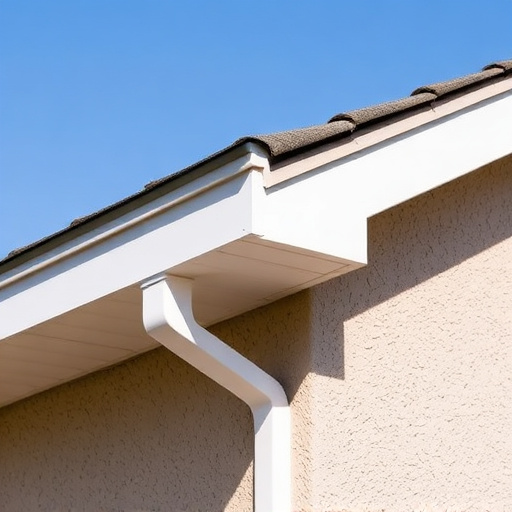
In the scorching Arizona sun, a mobile home's roof is its first line of defense against relentless heat, strong winds, and intense monsoons. Yet, these structures often face unique challenges, like leaks at block wall joints or damage from palm fronds during dust storms. The importance of hiring a qualified roofer for timely repairs cannot be overstated, especially for owners of these older homes.
The problem lies in finding a trustworthy professional who understands the nuances of mobile home roofing. Even more crucial is assessing the work once it's done, ensuring the leak is truly fixed and no new damage has been introduced. This article provides a checklist for navigating this process, empowering homeowners to make informed decisions and secure a robust, long-lasting repair.
- Preparing to Hire a Roofer: Key Questions to Ask
- Choosing the Right Contractor: Licensing and Expertise
- The Mobile Home Roof Repair Process: Step-by-Step
- Post-Repair Inspection: Ensuring Long-Term Protection
Preparing to Hire a Roofer: Key Questions to Ask
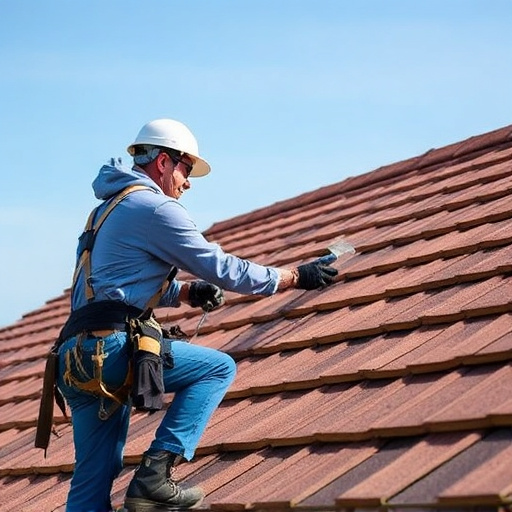
When preparing to hire a roofer for a mobile home roof leak repair, it's crucial to ask the right questions. An experienced Tucson roof specialist recommends considering both the scope of work and the contractor's expertise. Start by assessing the extent of the damage, whether it's a single scupper or a more widespread roof leak. This will help you understand the complexity of the repair and the potential cost.
Next, inquire about the contractor's experience in handling similar situations, especially in mobile homes. Mobile homes present unique challenges due to their structure and materials. Ask for references from previous customers to gain insights into their work quality and professionalism. Don't hesitate to drive by those jobs to see the results for yourself. Verify that the contractor is licensed and insured, protecting both you and them during the repair process.
Once you've selected a contractor, establish clear communication about the work process. Discuss the timeline, including when they expect to start and complete the repair, and whether they offer same-day service for urgent situations. Also, understand their approach to fixing the root cause of the leak, such as checking for damaged or missing shingles, fascias, or scuppers. A good roofer won't just patch the leak; they'll ensure the entire roof system is secure and functioning properly.
After the repair is complete, schedule an inspection to ensure the job was done correctly. Check for any signs of remaining water damage or leaks, and verify that the scuppers and fascias are functioning as intended. An experienced eye can spot issues that might go unnoticed by an untrained observer. This final step ensures you're protected from future problems and confirms the roofer's commitment to quality workmanship.
Choosing the Right Contractor: Licensing and Expertise

When hiring a contractor for a mobile home roof leak repair, it's crucial to ensure the roofer is properly licensed and has the expertise to handle your specific needs. In Arizona, particularly during the monsoon season, roofing repairs must be handled by a licensed professional to prevent further damage and ensure structural integrity. Termites and other pests can also cause significant issues on mobile homes, making it critical to find a contractor familiar with these challenges.
Before signing a contract, verify the roofing contractor's Arizona ROC license and ask about their experience with mobile home roofs. A good contractor will have worked on similar projects before, as repairing a roof with skylights or other unique features requires specialized knowledge. A contractor with experience in flat roofs will be better equipped to handle repairs on mobile homes, which often feature these types of roofs. In southern Arizona, where weather can vary widely, it's beneficial to work with someone who understands how to secure roofs against strong winds, intense sun, and even occasional dust storms.
Once the contractor is selected, it's vital to establish a clear communication process for both the initial assessment and post-repair inspection. After the repair, check the work thoroughly. Look for signs of rusted metal flashing, properly sealed joints, and new shingles that match the existing ones. With the right contractor, your mobile home roof leak repair will not only be effective but also long-lasting, ensuring your home remains protected throughout the year, even under the challenging conditions of a Tucson summer or the occasional haboob. A roofing contractor serving Tucson and Oro Valley might point out potential termite damage hidden beneath the shingles, providing an added layer of peace of mind.
The Mobile Home Roof Repair Process: Step-by-Step
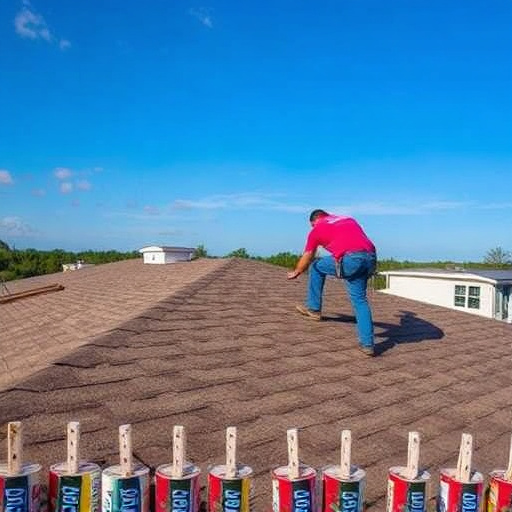
For mobile home roof leak repair in Tucson, the process requires careful consideration and expert execution. As a homeowner, it's crucial to find a qualified, licensed roofer who understands the unique challenges of these structures. Mobile homes have specific design elements, such as metal roofs, flashing, and ventilators, that necessitate specialized knowledge and the right tools. A licensed Tucson roofing contractor with an Arizona ROC license (Roofing Contractor License) will possess the expertise to handle these repairs effectively.
The mobile home roof repair process starts with a thorough inspection. The roofer will assess the damage, identify the source of the leak, and determine the extent of the work required. This includes examining the roof's structure, flashing, and any damage from weather events like strong winds or dust storms. A common issue in this region is damage from palm fronds during monsoons. The contractor will also check for signs of termite damage, which can compromise the roof's integrity. If the leak is due to an AC drip pan or solar panels, specialized knowledge is required to ensure these components are repaired or replaced correctly without causing further damage.
Next, the roofer will provide a detailed estimate outlining the repair costs and materials needed. This step is crucial for setting expectations and avoiding hidden fees. If the repair involves replacing broken tiles or shingles, the contractor should offer options for matching the old ones or suggesting suitable alternatives. Once the estimate is agreed upon, the work begins. The roofer will either repair or replace the damaged areas, ensuring proper sealing and flashing to prevent future leaks. In the case of a spray polyurethane foam roof, the contractor will use specialized equipment to apply the foam, creating a durable, water-resistant barrier. After the repair, a final inspection is conducted to verify the work's quality and ensure the leak is fully resolved.
Post-Repair Inspection: Ensuring Long-Term Protection
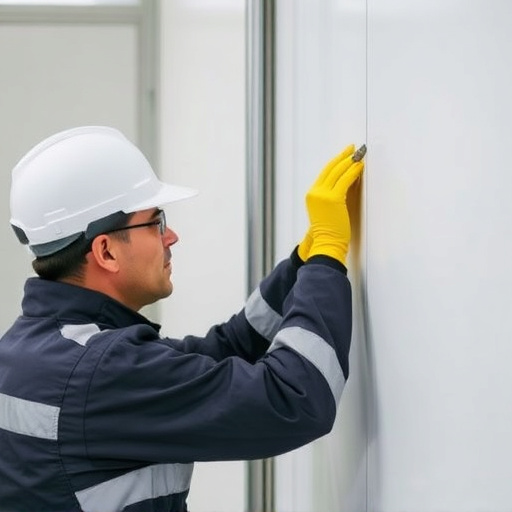
After a roofer completes a repair, it's crucial to conduct a thorough post-repair inspection to ensure long-term protection for your mobile home. This step is vital, especially when addressing a leak, as it can cause significant damage over time if not properly sealed. During the inspection, you should look for signs of leaks, especially around the roof's edges, valleys, and any fixtures like skylights or vents. Check the fascia boards for water stains or warping, as these could indicate past or ongoing leaks.
Focus on the details. Examine the flashing around chimneys, vents, and other penetrations. Make sure it's properly aligned and sealed, with no gaps or damaged areas that could allow water intrusion. Check the condition of the shingles or roofing material, looking for missing or damaged pieces. Also, inspect the underlayment for any signs of moisture or mold, as these issues can lead to serious structural problems.
In the case of a mobile home roof leak repair, the inspector should verify that all repairs are made to code and by a licensed Tucson roofing contractor. Look for evidence of proper disposal of old materials and new, matching materials used for replacement. If skylights were part of the repair, ensure they're properly sealed and protected from debris. Keep in mind that water can enter from unexpected places, such as around air conditioning units or where pipes pass through the roof.
After the inspection, ask the roofer to document the work performed and any materials used. This documentation can be valuable for future reference and may help you track down any issues that arise. Don't hesitate to ask questions or request additional work if something isn't up to your standards. A well-documented repair process ensures that you and the roofer are on the same page regarding the work completed.
Frequently Asked Questions About a checklist for hiring a roofer for a repair and checking the work after
What is the most important factor to consider when hiring a roofer?
When choosing a roofer, the most crucial factor is their licensing and insurance. Ensure the roofer is licensed by Arizona (ROC) and carries appropriate insurance, including liability and workers' compensation. This protects you from potential legal issues and financial burdens in case of accidents or subpar work. Licensed and insured professionals follow industry standards, have undergone training, and are required to maintain a certain level of competence, giving you peace of mind during the repair process.
How do I know if a roofer is qualified to handle my specific repair?
Check the roofer's website or portfolio for experience in your type of repair. Look for projects similar to yours with before-and-after photos. Ask for references from previous clients and contact them to hear about their experience. Many roofing companies specialize in specific areas like flat roofs, metal roofing, or emergency repairs. The right roofer for your project will have the necessary skills, tools, and experience to complete the job efficiently and effectively.
What should I look for when inspecting the completed work?
After the repair, carefully inspect the work area for any signs of subpar workmanship. Check for proper sealing and flashing around windows and vents. Ensure the new materials match the existing roof and that all nails or screws are securely fastened. Look for level and straight edges, and verify that the repair addresses the initial issue. A thorough inspection helps you identify potential future problems and ensures the roofer's work meets your expectations.
Is there a standard timeline for roofing repairs?
Most roofing repairs take one to two days, depending on the project's complexity. Simple repairs like replacing a missing shingle or repairing a small leak might be quicker. Complex projects involving significant damage or new installations will take longer. Discuss the expected timeline with the roofer and plan accordingly. Prompt service is essential, especially in cases of emergency repairs or to prevent further damage.
What is a warranty, and how important is it?
A warranty is a promise from the roofer that their work and materials are of high quality and will last for a specific period. It guarantees against defects in workmanship and materials. Warranties vary, so review the terms carefully. A comprehensive warranty provides additional peace of mind and protection against future issues. When hiring a roofer, ask about their warranty policy and understand what it covers to ensure you're protected.
Can I get a written estimate before the repair?
Absolutely. A detailed, written estimate is essential before any roofing work begins. It should include a breakdown of costs for labor, materials, and any additional fees. Compare estimates from multiple roofers to ensure you're getting a fair price. A transparent estimate allows you to make informed decisions and prevents unexpected charges during or after the repair.
When faced with a mobile home roof leak repair, the process can seem daunting. However, by understanding the key steps and considerations, homeowners can make informed decisions when hiring a roofer and ensuring their home's long-term protection.
Firstly, prepare by asking the right questions: Is the contractor licensed and insured? Do they specialize in mobile home roofs? These are crucial for a successful repair and safeguarding against potential damage. Choose a licensed roofer in Arizona, as required by law, to mitigate risks and ensure quality work.
Next, the contractor's expertise is paramount. Look for someone experienced in mobile home roof repairs, especially if your home is an older model. The process involves specific techniques tailored to these structures, from identifying the source of leaks to repairing damaged flashing or replacing shingles.
During the repair process, homeowners should expect clear communication and transparency. The roofer should walk you through each step, explaining the issues found and the solutions proposed. This includes understanding the materials used and why they are chosen for your particular repair.
Post-repair, a thorough inspection is vital. Check for any remaining leaks, ensure proper flashing installation, and verify that the repair addresses the initial issue. Regular inspections, especially before monsoon season, can help prevent future problems, ensuring the longevity of your mobile home's roof.
By following these guidelines, homeowners can confidently navigate the process of mobile home roof leak repair, knowing they've made a sound decision in choosing a qualified contractor.
When hiring a roofer for a mobile home roof leak repair in Arizona, ensure they're licensed, experienced in mobile homes, and can provide references. Verify their work quality and professionalism by driving by past jobs. Establish clear communication about the process, timeline, and root cause of the leak. After completion, inspect the work thoroughly to ensure it's done correctly and will prevent future problems. Conduct a post-repair inspection to verify long-term protection and document the work performed.