In the arid climate of Tucson, our roofs face unique challenges. Sun, dust storms, palm fronds, and pigeons can wreak havoc on any roofing material, leading to costly repairs or even dangerous structural issues. A sagging roof section, for instance, isn't just an aesthetic problem; it can signal deeper problems like water intrusion or termite damage. This guide is designed to help both homeowners and property managers understand roof repairs, offering practical tips on everything from identifying damage to selecting the right repair techniques, including how to address specific issues like sagging sections. By understanding these challenges and the best practices for addressing them, you can protect your investment and ensure your roof provides reliable protection for years to come.
- Identifying Common Damage Causes: Sun, Storms, & More
- Assessing Roof Damage: Signs of Sagging and Other Issues
- Natural Repair Techniques for a Sagging Roof Section
- Preventative Measures: Fortifying Against Future Damage
Identifying Common Damage Causes: Sun, Storms, & More

Sun, dust storms, palm fronds, and pigeons can all contribute to damage on your roof, each leaving unique marks on your property. Understanding these common causes is the first step in preventing and repairing issues before they become serious.
One of the most visible signs, sagging roof sections, often results from prolonged sun exposure. The intense heat can cause materials to expand and contract, leading to a gradual deformation of the roof's structure. Asphalt shingles, when exposed to excessive UV radiation, can become brittle and lose their elasticity, contributing to the sagging. This damage is particularly common in areas with hot, sunny climates like ours. Regular inspections by an experienced Tucson roof specialist can help identify these early signs of sun-related wear and tear.
Dust storms and the powerful winds that accompany them, like the occasional haboob, can also wreak havoc on rooftops. High-wind events can cause shingles to be blown off or torn, creating leaks and exposing the underlying structure to further damage. Palm fronds, when left to accumulate on the roof, can act as a heavy weight, potentially causing the same kind of stress as a dust storm. Proper roof maintenance, including regular cleaning and removal of debris, is crucial for preventing these issues. Addressing palm frond buildup before a storm season can significantly reduce the risk of storm-related damage.
Pigeons and other birds can also cause problems, especially on flat roofs or those with poor drainage, like parapet walls. Their constant pecking can damage the surface of foam roofs or create holes in shingles, leading to leaks. Counter flashing, which is a secondary barrier installed below the main flashing, can help prevent these issues. However, if a roof leak due to bird damage occurs, it's important to address it promptly to avoid further damage to the interior, such as drywall, from water intrusion.
Assessing Roof Damage: Signs of Sagging and Other Issues
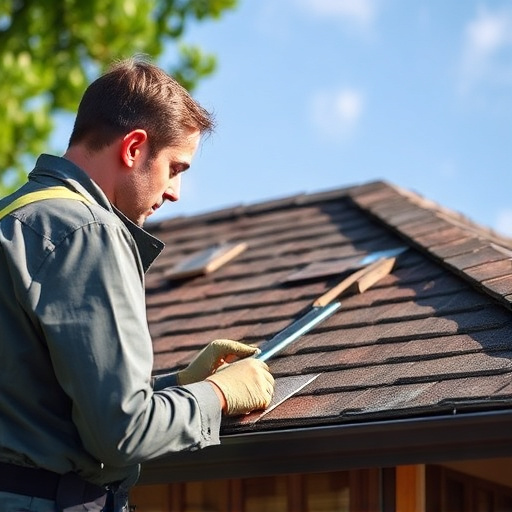
Assessing Roof Damage: Recognizing Signs of Sagging and Other Issues
Identifying roof damage early is crucial, especially in a climate like Tucson's, where extreme heat, dust storms, and monsoon rains can accelerate issues. One of the most concerning signs is a sagging roof section. This can indicate a serious structural problem, often caused by water intrusion, weak underlayment, or damage from elements like palm fronds or pigeons. A heavy accumulation of palm fronds can weigh down shingles, leading to a sagging appearance and potential leaks. Similarly, pigeons nesting on the roof can cause damage with their incessant pecking, particularly on foam roofs.
When examining your roof for sagging, look for noticeable dips or curves in the decking. These areas may be accompanied by signs of water damage, such as discolored or blistered shingles, or spots where the underlayment is exposed. Flashing issues around chimneys, vents, and eaves can also contribute to sagging and leaks. A Tucson roofer with an Arizona ROC license recommends checking for rusted or damaged flashing, as this can compromise the roof's integrity. In many cases, sagging is a symptom of a larger problem, such as a damaged or missing shingle, which needs immediate attention to prevent further deterioration.
If you suspect a sagging roof section or other damage, it's important to address it promptly. Ignoring these issues can lead to more significant structural damage and costly repairs. Regular inspections, especially before monsoon season, can help in early detection. Homeowners in 1950s Tucson homes, known for their unique architectural styles, should be particularly vigilant about checking for damage, as these older structures may require specialized repair techniques. A professional roofer can provide expert assessment and recommend the best course of action, whether it's repairing the flashing, replacing damaged shingles, or addressing water intrusion issues, ensuring your roof remains a protective shield for your home.
Natural Repair Techniques for a Sagging Roof Section
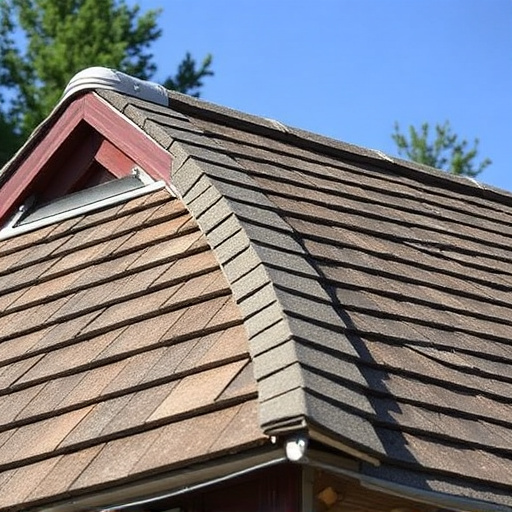
When a roof section sags, it's not just an aesthetic issue; it can signal deeper problems like water intrusion or flashing issues. In Tucson's climate, where extreme heat and occasional storms can exacerbate these issues, timely intervention is crucial. Natural repair techniques for a sagging roof section involve both immediate fixes and long-term solutions.
One of the most common causes of sag is flashing damage, often due to rusted metal flashing around vents or chimneys. A licensed Arizona roofer can replace or re-seal the flashing, preventing further water leakage and supporting the overall structural integrity of the roof. If a roof leak near a block wall joint has caused the sag, sealing the joint with a high-quality waterproof membrane can stop water intrusion and allow the affected area to heal. Sam Hughes, a local Tucson roofing contractor, recommends inspecting the roof for signs of wear and tear, such as loose or missing shingles, which can also contribute to sagging.
Palm fronds and pigeons can cause additional damage, puncturing shingles or pushing them loose, leading to leaks and eventual sagging. Removing pigeon nests and blocking entry points can prevent further damage. For bird-pecked foam roofs, repairing or replacing the damaged sections is crucial. In the case of solar panel leak repairs, ensuring the panels are properly secured and sealed can help maintain their functionality and prevent the sag from spreading. Regular maintenance, including cleaning and inspecting the roof, can catch these issues early, making natural repairs more effective.
Preventative Measures: Fortifying Against Future Damage
Preventative Measures: Fortifying Against Future Damage
One of the most effective ways to mitigate the effects of damaging elements like sun, dust storms, palm fronds, and pigeons is through proactive, regular maintenance. A licensed Tucson roofing contractor can perform an annual inspection to identify and address weak points before they become significant issues. Look for signs of wear and tear, especially in areas exposed to harsh sun or frequent bird activity. Regular cleaning of gutters and drainage systems is crucial to prevent clogs that may lead to water intrusion and subsequent structural damage, including drywall damage from roof leaks.
Focusing on the roof's protective layers is paramount. A professional Tucson roof specialist can apply high-quality sealants and coatings designed to withstand the area's unique conditions, such as the intense monsoons and concrete tile roofs common in the region. These measures create a barrier against UV rays, protecting against heat-cracked coatings and extended sun damage. Inspecting and repairing any damaged or missing gravel stop and edge metal can prevent water from seeping under the shingles, a common issue after storms or high winds.
Termite damage is another significant concern, particularly in structures built before the 1950s. Regular inspections for termite activity and proper sealing of entry points can save Tucson homeowners from costly repairs. During a sagging roof section repair, for instance, an experienced contractor will not only address the visible damage but also take preventive measures to ensure the area remains protected against future infestations. By integrating these preventative measures into your maintenance routine, you can extend the lifespan of your roof and avoid costly, time-consuming repairs.
Frequently Asked Questions About a guide to fixing damage from sun, dust storms, palm fronds and pigeons
What causes damage from sun exposure on roofs? Sun damage, or solar degradation, occurs when ultraviolet (UV) rays penetrate the roofing material, causing it to break down and lose its protective qualities. This leads to cracking, drying, and eventual failure of the roof. Shingles are particularly susceptible, with UV exposure accelerating their wear and tear. Regular inspection and re-application of protective coatings can mitigate this damage.
How do dust storms affect roofs? Dust storms can embed fine particles into the roof's surface, blocking sunlight and accelerating the aging process. The weight of the accumulated dust can also put additional strain on the roofing structure. Regular cleaning and sealing can prevent this, but severe cases may require professional intervention to ensure the roof's integrity.
What is the impact of palm fronds on roofing? Palm fronds, especially during strong winds, can puncture or tear shingles. They can also trap moisture, creating a breeding ground for algae and mold. Regular trimming and cleaning around the roofline are essential to prevent these issues.
How do pigeons nestling in roofs cause damage? Pigeons can cause significant damage by nesting in gutters and on roofs. Their nests can block drainage, leading to water damage and mold growth. Pigeon droppings also contain acids that can eat away at roofing materials. Regular pigeon prevention measures, such as installing bird spikes or mesh, are crucial for maintaining a healthy roof.
When should I call a professional for roof repairs? If damage is extensive, affecting large areas of the roof, or if you notice signs of structural weakness, it's best to consult a licensed professional. Also, if the cause of the damage (e.g., severe storm, tree fall) is beyond your control or if you're unsure about safety, a contractor is advisable. DC Roofing of Arizona, a local Tucson roofing company, is equipped to handle a range of repair needs.
Are there any preventive measures I can take? Absolutely. Regular maintenance includes cleaning gutters, inspecting for damage after storms, sealing areas prone to sun exposure, and trimming trees and palm fronds near the roof. These steps, along with professional inspections, can significantly extend your roof's lifespan.
In wrapping up, the key insights from this guide offer a robust framework for addressing and preventing roof damage in Tucson's unique environment. By understanding the primary culprits-sun exposure, dust storms, palm fronds, and pigeons-homeowners and property managers can proactively maintain their roofs.
The article has highlighted several crucial steps: identifying signs of damage, such as sagging sections; assessing issues like water intrusion and structural problems; and employing natural repair techniques, especially for flat roofs on adobe homes. Preventative measures, including regular cleaning and maintenance, are paramount, as they help mitigate damage from intense monsoon rains and storms.
The guide emphasizes the importance of professional intervention when dealing with significant issues, like sagged roof sections, as DIY repairs might not offer lasting solutions. Engaging a licensed Tucson roofer ensures the work is done correctly, ensuring the roof's longevity, especially for 1950s-era homes and modern rentals alike.
This guide equips readers with the knowledge to recognize, address, and prevent roof damage, ultimately safeguarding their investments, whether it's a historic home or a modern rental property in the heart of Tucson.
Tucson roofs face damage from intense sun, dust storms, palm fronds, and pigeons. Regular inspections by specialists can catch issues early, like sagging caused by UV exposure, wind damage, or bird activity. Proactive maintenance, including cleaning, sealing, and repairing, prevents further damage. Addressing palm frond buildup before storms and sealing flashing prevents leaks. Termite inspections are crucial for older homes. Prompt action on sagging sections, whether from natural or man-made causes, ensures roof integrity and prevents costly repairs.