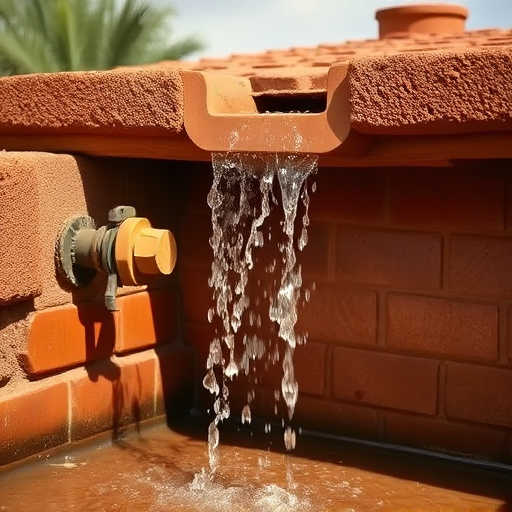
Tucson's diverse climate presents unique challenges for roof maintenance. Sun, dust storms, palm fronds, and pigeons can each cause distinct damage, from discolored coatings to broken tiles and saggy sections. Pigeon damage on flat roofs, in particular, can lead to significant issues over time, from corrosion to mold growth. This guide provides homeowners and property managers with a practical, step-by-step approach to identifying and repairing these common problems before they become costly structural issues. We'll explore effective techniques, the best times to address damage, and expert strategies for hiring and working with reliable roofers, ensuring your Tucson roof stands up to whatever the weather brings.
- Identifying Common Roof Damage Causes: Sun, Dust, and Birds
- Assessing Pigeon Damage on Flat Roofs: What to Look For
- Repairing and Preventing Future Pigeon Damage: Step-by-Step Guide
- Protecting Your Flat Roof: Long-Term Solutions and Maintenance Tips
Identifying Common Roof Damage Causes: Sun, Dust, and Birds
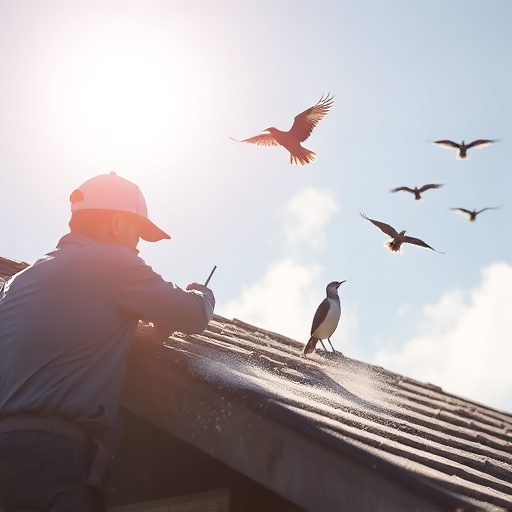
Sun, dust storms, and birds can wreak havoc on a roof, leading to costly damage if left unchecked. These elements pose unique challenges for Tucson homeowners, particularly those with flat roofs or clay tile installations, as they are more vulnerable to these specific types of damage. The intense monsoon season brings heavy rain and powerful winds, which can cause a variety of problems, from water intrusion and structural issues to broken tiles and sagging sections. Dust storms, a common occurrence in our region, can leave behind a layer of grit that not only dulls the appearance of a roof but also acts as a corrosive agent, accelerating wear and tear.
One of the most common and frustrating types of damage is pigeon nesting and droppings, which can create significant issues on flat roofs. Pigeons are attracted to the flat, open areas and often build nests, leaving behind a mess of droppings that can stain and damage the roofing material. This can be particularly problematic for clay tiles, as the acidic nature of pigeon droppings can erode the tile surface over time. A licensed Tucson roofing contractor may recommend regular inspections and maintenance to prevent or mitigate pigeon damage, especially in areas where these birds are known to congregate.
Regular maintenance and timely repairs are crucial to mitigating these issues. Homeowners should inspect their roofs for signs of damage, such as missing or broken tiles, discolored or curled shingles, or water stains. During the monsoon season, it's essential to address any leaks promptly to prevent drywall damage and other structural problems. Block wall joints, often the first line of defense against water intrusion, can be vulnerable to leaks, especially after a particularly intense storm. A Tucson roofer with an Arizona ROC license can provide expert advice on the best course of action, whether it's repairing a leak, replacing missing tiles, or even re-coating a heat-cracked roof surface. By understanding these common causes of damage and taking proactive measures, Tucson homeowners can extend the life of their roofs and avoid costly repairs.
Assessing Pigeon Damage on Flat Roofs: What to Look For
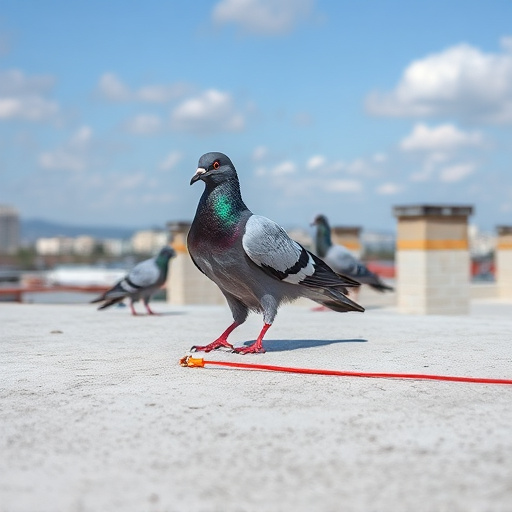
Pigeon damage on flat roofs is a common issue in Tucson, particularly in areas with large populations of these urban birds. As a licensed Arizona roofer, we've seen firsthand the impact pigeons can have on residential and commercial properties. This section will guide you through identifying pigeon damage, understanding its severity, and the best course of action for repair.
One of the first signs of pigeon infestation is visible nesting and droppings on or near the roof. Pigeons often choose flat roofs for their ease of access and lack of natural predators. Look for clumps of dark, granulated material, which are nesting materials and droppings. These can accumulate on the roof surface, eaves, and nearby structures, causing unsightly stains and potential structural damage. Modified bitumen roofs, common in Tucson, are particularly susceptible to pigeon damage due to their smooth surface, providing an ideal nesting site.
Beyond aesthetic concerns, pigeons can cause significant structural issues. Their nests and droppings can weigh down the roof, leading to sagging or misalignment of roof sections. In extreme cases, the constant pecking and nesting can weaken the integrity of the roof, especially in areas with metal flashing or edge metal. A 20-year-old flat roof in a Midtown bungalow, neglected for pigeon damage, may require a complete replacement if left unaddressed. Regular inspections, especially before monsoon season, are crucial to catch pigeon damage early.
When addressing pigeon damage, it's essential to consult a professional. A skilled roofer with an Arizona ROC license will assess the extent of the damage, clean and remove nests and droppings, and implement preventive measures. They may use specialized equipment to safely remove pigeon debris, ensuring no eggs or young are left behind. Following the removal, the roofer can seal any entry points and install deterrents like mesh screens or scarers to discourage future pigeon activity. This proactive approach is key to protecting your investment, maintaining the structural integrity of your roof, and preventing further damage.
Repairing and Preventing Future Pigeon Damage: Step-by-Step Guide
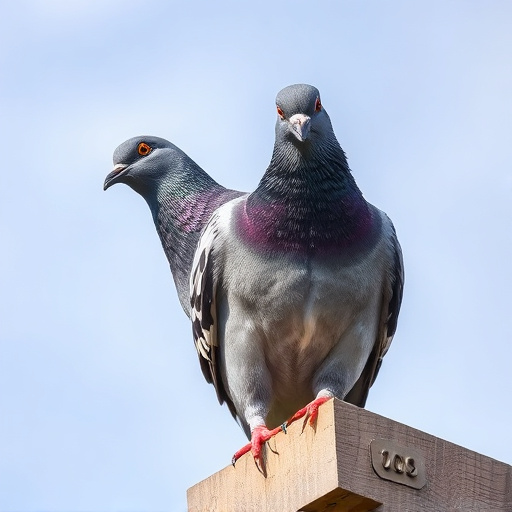
Pigeon damage on flat roofs is a common issue in Tucson, often leading to significant problems if left unattended. These feathered intruders can cause extensive damage, from tearing shingles and flashing to leaving behind a sticky residue that invites further issues like mold and mildew. To prevent and mitigate pigeon damage, it's crucial to implement a multi-step strategy that includes both repair and long-term protection.
Step 1: Immediate Repair and Cleanup
Upon discovering pigeon damage, the first step is to address the immediate issue. This involves safely removing any droppings or nesting materials from the roof. It's important to wear protective gear, as pigeon droppings can harbor harmful bacteria. Once the area is cleaned, inspect for any torn or damaged shingles or flashing. DC Roofing of Arizona recommends replacing any damaged components to prevent further entry points. In cases where the damage is severe, it might be best to consult with a roofing specialist to ensure the safety and integrity of your structure.
Step 2: Flashing and Termite Protection
Pigeons are skilled at finding weak points in a roof, and one of their favorite entry points is around flashing-the thin layers of material used to seal joints and openings. Inspect your flashing for any tears or gaps and make repairs as needed. Consider applying a termite-repellent coating to the flashing to deter these wood-eating insects from infiltrating your roof and causing further damage.
Step 3: Long-Term Prevention Measures
To prevent future pigeon damage on flat roofs, implement a comprehensive strategy. One effective method is to install modified bitumen, a flexible roofing material that creates a smooth, non-porous surface. This makes it difficult for pigeons to find purchase points. Install bird spikes or netting along the edges and ledges of the roof to physically deter pigeons from landing or nesting. Regularly inspecting and maintaining these preventive measures is key to keeping your roof pigeon-free.
Step 4: Regular Maintenance and Monitoring
Preventive maintenance is the cornerstone of protecting your roof from pigeon damage. Schedule regular inspections with a licensed roofer, such as DC Roofing of Arizona, to ensure all flashing, gutters, and other components are in good condition. Keep an eye out for any signs of pigeon activity, such as droppings or nesting materials, and address them promptly. By following these steps, you can significantly reduce the risk of pigeon damage on your flat roof and ensure a safe, secure home for years to come.
Protecting Your Flat Roof: Long-Term Solutions and Maintenance Tips
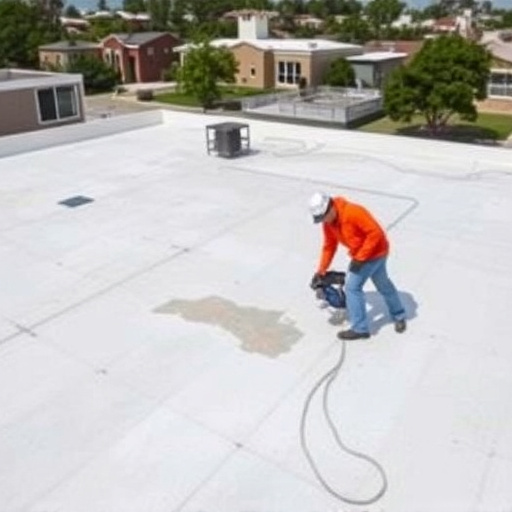
Flat roofs are a common sight in Tucson, but they require specific care to withstand the area's unique challenges, including sun damage, dust storms, palm frond accumulation, and persistent pigeon problems. Pigeon damage on flat roofs is a significant issue, as these urban birds can cause extensive problems over time, from tearing at shingles to leaving behind a mess of droppings. To maintain the integrity of your flat roof, especially in the face of these common Tucson problems, regular inspection and maintenance are key.
An experienced Tucson roof specialist recommends a multi-pronged approach. First, address any sun damage by applying a reflective coating to your shingles or tiles. This not only reduces heat absorption but also increases the lifespan of your roofing materials. Regular cleaning of dust storms and palm fronds is crucial, too. A powerful water sprayer can remove accumulated debris, but be mindful of not damaging the roof surface. For clay tile roofs, a soft-bristled brush can be effective, while pipe boots and eaves may require more careful attention to prevent water damage during cleaning.
Pigeon damage on flat roofs can be mitigated through deterrents and regular maintenance. Install pigeon guards or netting to physically block access points. Ensure there are no openings or crevices where pigeons can nest or find shelter. Regularly inspect your roof for any signs of pigeon activity, especially after heavy rains, as pigeons are attracted to water. Keep your roof clean and free of debris, as pigeons are less likely to land on a well-maintained surface. By combining these strategies, you can protect your flat roof from sun, dust, palm fronds, and pigeons, ensuring a longer lifespan and minimizing costly repairs.
Frequently Asked Questions About a Guide to Fixing Damage from Sun, Dust Storms, Palm Fronds, and Pigeons
What types of damage do sun, dust storms, palm fronds, and pigeons commonly cause on roofs? Roofs are susceptible to various forms of damage from these elements. Sun exposure can lead to shingle deterioration and cracking, while intense UV rays accelerate the aging process. Dust storms can leave behind gritty debris, weighing down shingles and potentially causing them to curl or become misaligned. Palm fronds, when lodged in roofs, can block gutters, leading to water damage. Pigeons, though not a direct structural issue, can leave droppings that corrode metal and damage shingles over time.
How do I prevent damage from sun and UV rays? While complete protection is challenging, several measures can mitigate sun and UV damage. Consider using reflective or darker-colored shingles, which absorb less heat. Applying a UV-inhibiting coating to the roof surface can also provide extra protection. Regular cleaning and inspection are crucial to removing dirt and debris that absorb sunlight, and ensuring all components are in good condition.
Are there specific materials that are better suited to withstand dust storms? Yes, materials that are less susceptible to damage from airborne debris are ideal for dusty environments. Concrete or metal roofing materials are durable and less likely to be damaged by dust particles. Proper installation with secure fastening ensures that loose debris doesn't dislodge or puncture the roof.
What should I do if palm fronds are blocking my gutters? Regular maintenance is key to preventing this issue. Trimming nearby trees and regularly cleaning gutters can prevent fronds from getting trapped. If fronds have already caused blockages, carefully remove them to prevent water damage. Consider investing in gutter guards to catch debris, reducing the need for frequent cleaning.
How can I discourage pigeons from nesting on my roof? Humanely discouraging pigeons involves making your roof less attractive to them. Ensure there are no food sources nearby, as pigeons are attracted to bird feeders and garbage. Install bird spikers or netting on ledges and vents to make roosting uncomfortable. Regularly cleaning droppings and using deterrents like predator urine can also be effective.
When should I call a professional for roof repairs? Seek professional help if you notice any signs of serious damage, such as leaks, significant shingle loss, or structural issues. Complex repairs, especially after storms or severe weather, often require specialized equipment and knowledge. A licensed roofer can assess the damage, provide repairs, and ensure the long-term integrity of your roof.
This guide has equipped Tucson homeowners and property managers with essential knowledge to tackle common roof damage caused by the region's unique challenges: intense sun exposure, dust storms, palm fronds, and, notably, pigeon damage on flat roofs. By understanding these issues and implementing the presented strategies, residents can significantly extend the lifespan of their roofs. Regular inspections, prompt repairs, and preventive measures, such as sealing edges and using protective coatings, are key to mitigating damage. For pigeon damage on flat roofs in particular, identifying early signs of nesting, employing deterrents, and scheduling professional repairs can save substantial costs and avoid further structural issues. With these insights, readers are now empowered to maintain their roofs effectively, ensuring they remain protective barriers against the elements for years to come.
Sun, dust storms, and birds pose significant threats to Tucson roofs, particularly flat roofs and clay tile installations. Pigeon damage is a common and costly issue, eroding tile surfaces and causing structural problems. Regular inspections and maintenance, including cleaning, repairs, and preventive measures like pigeon guards, are crucial. By addressing these challenges proactively, Tucson homeowners can protect their investments and avoid extensive repairs.