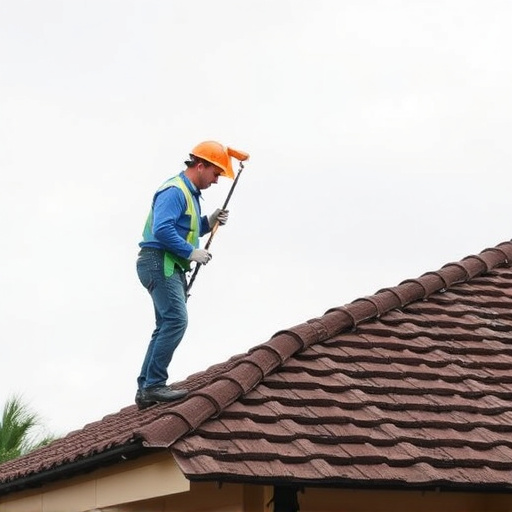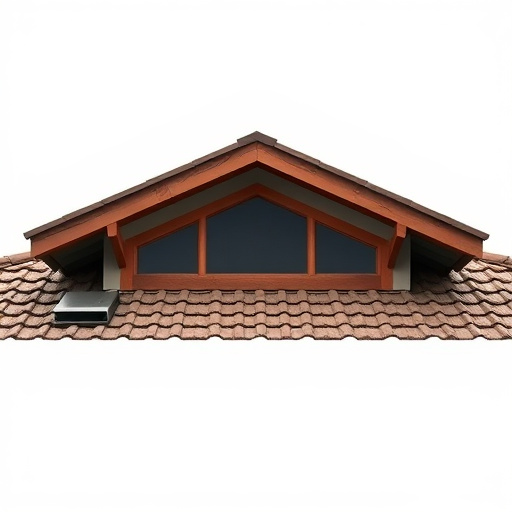
Tucson's extreme summer heat impairs roof integrity due to high temperatures, UV radiation, and humidity. Proper attic ventilation is crucial for cooling, preventing moisture buildup, and mitigating heat transfer into the house, extending roof lifespan by up to 50% and reducing the need for Roof Repair Tucson. Strategic vent placement allows cool air intake and expels warm, moist air, protecting against heat-related structural damage. Common issues include blocked vents, inadequate venting areas, or improper material choices leading to mold growth. Regular inspections and prompt repairs are essential for optimal roof condition.
The Arizona heat is relentless, and for homes in Tucson, proper attic ventilation is key to preserving roof integrity. A poorly ventilated attic can lead to excessive heat buildup, causing roofing materials to deteriorate faster, necessitating Roof Repair Tucson. This isn’t just about aesthetics; it’s about extending the lifespan of your roof, saving you from costly replacements. In this article, we delve into the significance of attic ventilation, the common issues that arise in our region’s climate, and most importantly, offer expert guidance on effective solutions to ensure your home’s roof stays durable and reliable for years to come.
- Understanding Tucson's Heat: Why Attic Ventilation is Key to Roof Repair
- Comprehensive Guide: Navigating Attic Ventilation Repairs for Optimal Arizona Roof Health
Understanding Tucson's Heat: Why Attic Ventilation is Key to Roof Repair
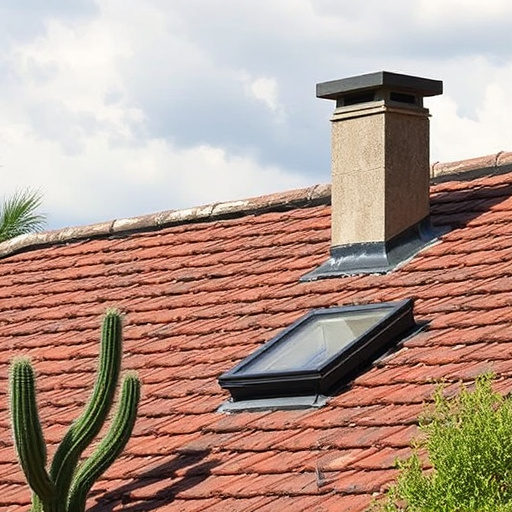
Tucson’s scorching summers present unique challenges for homeowners, particularly when it comes to roof repair and longevity. With average temperatures exceeding 100°F during the day, the city’s heat can significantly impact the performance and lifespan of roofing materials. The intense UV radiation and high humidity levels contribute to a vicious cycle of degradation, making proper attic ventilation an indispensable aspect of roof maintenance.
The primary function of attic ventilation is to regulate temperature and reduce moisture buildup within the attic space. In Tucson, where attics can reach oven-like temperatures, adequate ventilation acts as a cooling system, preventing heat from penetrating the house and exacerbating cooling costs. It also helps to alleviate condensation on roof decking, which, if left unchecked, can lead to rot, mold growth, and significant structural damage over time. According to local roofing experts, well-ventilated attics can extend the life of a roof by up to 50%, significantly reducing the need for Roof Repair Tucson.
In practice, this involves a strategic combination of intake and exhaust vents. Soffit vents along the eaves allow cool air from outside to enter the attic, while ridge or exhaust vents at the top expel warm, moist air. This natural flow prevents hot air from trapping itself under the roof deck, minimizing heat transfer into the living space below. By maintaining a consistent, comfortable temperature in the attic, homeowners can expect better performance from their roofing materials and avoid costly repairs associated with heat-related damage.
Comprehensive Guide: Navigating Attic Ventilation Repairs for Optimal Arizona Roof Health
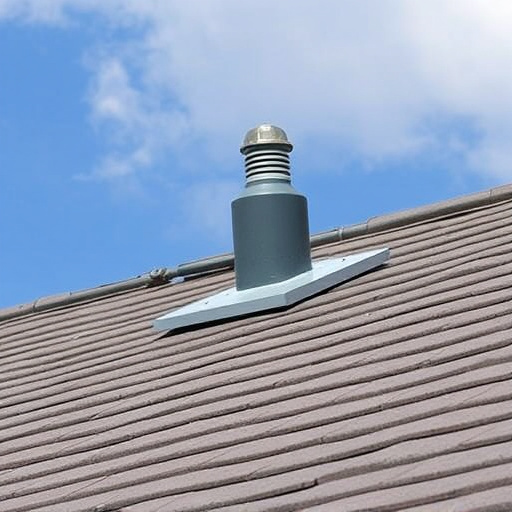
Attic ventilation is a critical component of roof health, especially in Arizona’s intense heat conditions. Proper ventilation helps regulate temperature, reduce moisture buildup, and prevent extreme fluctuations, all of which can extend the lifespan of your roof. In Tucson, where roofs face consistent sun exposure and varying weather patterns, maintaining optimal attic ventilation is crucial for Roof Repair Tucson longevity.
When addressing attic ventilation repairs, a comprehensive approach is essential. It involves assessing the existing system, identifying any deficiencies, and implementing tailored solutions. Common issues include blocked vents, inadequate venting areas, or improper material choices. For instance, in desert climates like Tucson, breathable materials are vital to prevent heat entrapment. Using non-breathable insulation can lead to condensation and mold growth, significantly impacting roof integrity.
Expert recommendations suggest a balance between supply and exhaust ventilation. Supply vents, typically located on the roof or under eave areas, introduce fresh air while exhaust vents, often found in the attic space, facilitate the escape of warm, moist air. This natural flow prevents hot air from becoming trapped, reducing the risk of structural damage caused by heat expansion and contraction. Regular inspections and prompt repairs are key to maintaining this balance, ensuring your Tucson roof remains in peak condition for years to come.
Tucson’s extreme heat demands strategic attic ventilation solutions for robust roof repair and longevity. By understanding the critical role of ventilation in mitigating heat buildup, homeowners can significantly enhance their Roof Repair Tucson investment. The comprehensive guide outlined practical steps for navigating attic repairs, emphasizing proper insulation, exhaust ventilation, and intake strategies. Implement these tactics to ensure optimal roof health, reduce energy costs, and prevent costly future damage, thereby showcasing a strategic approach to maintaining Arizona’s rooftop integrity in the face of intense heat.